Melanie Crowder, PARCHED Visits Creative Chaos!

Today I am thrilled to have my dear friend and VCFA roommate, Melanie Crowder, here at Creative Chaos to celebrate the launch of her debut middle grade novel, PARCHED!


Shop Indie Bookstores

Link to the first few chapters of the book!

When I was 17 I took a “gap” year and worked for an organization called American Rivers. American Rivers works to preserve 1% of America’s rivers as free flowing, not dammed or channeled, using the Wild and Scenic Rivers Act. During my time at the organization, I learned that water for Denver, Colorado came from dammed rivers far away. I was an East coast girl. I had no ideas that there was any problem getting water. Step one. Turn on tap. Step two. Drink, water garden, wash car, etc. Turns out that my experience was not universal. (Figuring this out is part of growing up, right?)

Millions of people lack safe water right now.

Some people see water as a human right and others see water as a commodity. Still lack of clean water affects humans no matter their socio economic level. It is essential. So, I’ve asked Melanie to take a break from talking specifically about her book. You can find SO much more about her book and her experience as an author at other stops on her fabulous blog tour.

Today, we are going to talk about H2O.

Melanie, thank you so much for being here!

Thank you, Anna!

Living with you was such an education. You live right here in the good old US of A, on Colorado’s Front Range and in Colorado, and EVERYONE is concerned about water. What water limitations do you experience living in Denver?

I grew up in Oregon, where between lakes and rivers and the mighty Pacific, there is no shortage of water to dip your feet or your whole body into. When I moved to Colorado over ten years ago, it was the strangest thing—on a summer day nearing 100˚, I couldn’t find a single place to cool off in the water. The creeks were too shallow for swimming, the rivers in town were too polluted (here is an article on the Platte River’s sordid history), and to my amazement, many of the reservoirs were fenced off specifically to keep people out. Sure, I had read Cadillac Desert in college, but now I was living in it, and for a west coast girl with no place nearby to swim that wasn’t a concrete box filled with chlorine, I may as well have been in the middle of the apocalypse!

How is water rationed in drought conditions?

Water isn’t rationed here, so much as divvied up. I can run the water inside my house all day if I want, because I have paid for it. But it is illegal for me to collect water from my roof and use it to water my tomato plants. That water belongs to someone who has a deed for the creek at the end of my street. Colorado water laws date back to pioneer days, when ranchers and farmers diverted rivers into miles of irrigation ditches and dammed reservoirs to keep their crops and herds alive through the scorching summers. Hence, every drop of water that falls from rainclouds or melts from peaks 14,000 feet high is owned by someone.

Unfortunately, old ways die hard. And we’re still making changes in a reactionary way. Rather than enforcing consistent rationing policies, we wait for a severe drought to limit the duration and time of day when people can water their lawns.

Colorado is made up of transplants from all over the country—people who have been drawn here by the mountains and our work hard/play hard way of life. And all of us transplants have to adjust to the fact that it just doesn’t rain here like it does on the coasts where we came from. (And that having a lawn in the high desert is in itself a ridiculous concept!)

What if you just don’t follow the rules?

You can get a ticket, but honestly, I don’t think people are paying much attention to the restrictions. We’re still a long way from where we should be. It’s going to take a big cultural shift for people here to see water as a thing to be preserved, instead of a thing to be used.

but I am beginning to see more xeriscape cropping up, and the laws are very slowly evolving. And I have to hope that discussions like this will raise awareness, sound the alarm, and bring about change. Here is an article that paints a frightening picture for the entire Western US if we don’t begin to take water conservation much more seriously.

Water in a drought-ridden area could be leveraged as power. How is water used to exploit and control in PARCHED?

In PARCHED, to quote Megan Cox Gourdon of the Wall Street Journal, “fresh water is not so much the coin of the realm as the only thing of value.” To give you a little backstory for how PARCHED’s setting came to be so dire, first mining poisoned the aquifer under the city that the people relied on for drinking water, while rising sea levels turned the coastal river brackish and displaced entire communities. Then a drought hit and wells dried up. Chaos resulted. Anyone with the means to flee did, leaving the city to be ravaged by gangs.

These gangs controlled what little water was left. When a society collapses in on itself like this, it is the children who suffer most. That is where PARCHED begins, with two children whose lives have been utterly devastated; two children who must battle their grief, their instinct to distrust, and the elements if they are going to survive.

I’ll point you to another article, this one about water in Yemen. When I was writing PARCHED, at times it was almost as if I flinched while I typed. I knew, because of the research I had done on my book’s setting, that the premise was frighteningly realistic. I didn’t want it to become real. I want us as a global society to pull back from the edge and set a different course before we go sailing over that cliff.
People who are working in water engineering and education suggest a Multi part solution to bring clean water to those who don’t have it that includes technology, education, empowerment, and accountability. What examples of this do you see in Denver?

Technology: Just this spring, the Colorado legislature passed a greywater bill that is a big step in the right direction. Put simply, greywater is the process by which water at a facility is used more than once before it is sent to the treatment plant. For example, the water that goes back down the drain at a drinking fountain can be used a second time to water the trees at a park. In a home, rinsewater from a washing machine or shower drain (in which biodegradable products are used) could be diverted for landscape irrigation.

Education: Denver Water has been working to change water consumption habits through advertising campaigns for years. Denver Public Schools has an entire sustainability department.

Empowerment: Citizens are working to keep Hydraulic Fracturing at bay, and municipalities are working to ban the practice within their boundaries. (Read more about the issue here.)

Accountability: This is the big question mark. We have a stubborn streak in the Mountain West. As CO State Senator Chris Romer said, after a failed attempt to pass a rainwater harvesting bill, “Welcome to water politics in Colorado. You don’t touch my gun, you don’t touch my whiskey, and you don’t touch my water.”
What didn’t I ask you that you’d like to say?

Only that lately I hear people referencing “first world problems” and “third world problems” i.e. not being able to find the right shoes to go with that dress versus not having access to indoor plumbing. I don’t love these terms (though I think people use them to remind themselves to be grateful for our quality of life; to not sweat the small stuff). I think these terms are one more way of putting people into “us” and “them” categories. But I’ll use those terms now, because I think they fit the way we think about water.

We think of water as a third world problem. A problem that “they” have, “over there.” But water is everybody’s problem. Sure, there are degrees. Many people in the developing world don’t have access to clean running water, which leads to problems ranging from child mortality to a lack of educational opportunities for girls. However, in this country, where access to running water is taken for granted, the purity of that water absolutely should not be taken for granted. Our way of life is poisoning our fresh water supply—from prescription drugs and pesticides to oil and gas exploration. This is a problem for all of us, in every corner of the globe. It’s a problem that deserves our attention.

Get ready for Melanie Crowder’s visit tomorrow!

Tomorrow!!! I’ll be hosting Melanie Crowder debut author of PARCHED (which just received the silver Parent’s Choice Award), so… all this week I’ve been posting about water.


Shop Indie Bookstores

Water is Life

Want to know more? Visit the UNICEF Clean Water Campaign site.

Read this quick summary of the book and then go HERE to read the first few chapters! Warning: You’ll want to read the whole thing!

Using multiple narrators, Melanie tells the story of two children, Musa and Sarel, who struggle to find water, forge a friendship, and survive in a land stricken by extreme drought. The book is a beautifully written, slim volume. In addition to the themes of friendship and survival, the two children and a pack of dogs, lead by the third narrator a Rhodesian Ridgeback named Nandi, delve into issues of family and loyalty. Did I mention beautifully written and wonderfully paced? Oh yes, and beautifully written. You MUST read this book and give it to teachers and librarians and middle grade students.

Water week on Creative Chaos: Melanie Crowder visits on Friday

On Friday, I’ll be hosting Melanie Crowder debut author of PARCHED (which just received the silver Parent’s Choice Award), so… all this week I’ll be talking about water.


Shop Indie Bookstores

I do not consider Melanie’s book a dystopian or alternative world story because millions of people lack safe water right now.

42 million in Latin America and the Caribbean

355 million in Africa

551 million in South, West, and Central Asia

210 million in Southeast, East Asia and Oceania

See this map. http://water.org/water-crisis/water-facts/water/

If you’d like to follow Melanie Crowder’s Blog Tour, take a look at the schedule below:

Melanie Crowder’s PARCHED Blog Tour

Book Review Wednesday: Deadweather and Sunrise, by Geoff Rodkey

If your brother is named Adonis, your sister, Venus and you are named Eggbert, you know you are starting out life at a disadvantage. The disadvantaged youth in this situation is the main character in DEADWEATHER AND SUNRISE (G.P. Putnam, March 2013), Book One of Geoff Rodkey’s, The Chronicles of Egg trilogy.


Shop Indie Bookstores

Egg lives on Deadweather Island. Yes, the name does say it all– hot, heavy air is stalled above his volcanic island home. His father runs an ugly fruit plantation with pirate laborers. Egg aches for intellectual stimulation, which he fails to get from the new tutor who is almost as obnoxious, dumb, and lazy as Egg’s siblings. The pirates that populate the waters around the island and the port towns are thieves and murderers, and I appreciated that Rodkey maintained their nefarious ways.

Across the waters is the island of Sunrise where the weather is as beautiful as the people who live and visit. Most beautiful to Eggbert is Millicent Pembroke, 13-year-old daughter of local businessman, Roger Pembroke. Pembroke’s wealth and adoration of Eggbert’s father quickly endears him to their family, but the reader comes to understand that Pembroke’s friendliness may be a cover for a hidden agenda.

There is plenty of humor in Deadweather and Sunrise. At the “street meat” vendor, Eggbert is stuck eating the cheapest fare while his tutor, brother, and sister use most of the money. The following exchange between the tutor and the street vendor had my kids in stitches:

Percy turned his head to look at me. I tried to seem bored, because I knew the hungrier I looked, the crueler his order would be.
“Got any pickled rat?”
I must have looked like I was starving to death.
“Sir, this is a reputable establishment. We serve no rat.”
“What’s your bottom shelf?”
“Innards.”
“What kind?”
“It’s a mix. Brains, pancreas, bit of spleen–”
“Give us that.”
“Comes on a bun.”
“Skip the bun.”

Say “Bit of spleen,” out loud. Okay, now say it to an 11 and 13-year-old boy. I swear you’ll get belly laughs.

The beginning of the book is a little slow to start. Rodkey is a seasoned screenwriter, Daddy Day Care and RV, and for me the first act included too much scene setting and backstory. Once I got caught up in the story, Rodkey had me rooting for Eggbert. Throughout his journey, Egg meets with all kinds of people. He loses his family, is threatened with death, meets vicious pirates and even more vicious cruise boat tourists. He makes friends, falls in love, finds treasure, and battles the bad guys.

Eggberts growth comes in part from his realization that all of us– wealthy, worker, or pirate– are human and as such, we all have a dark and often self-serving side. At least, he notes, the pirates are what they say they are.

From the Chronicles of Egg press release:

Egg - Rodkey head shot 1Geoff Rodkey grew up in Freeport, Illinois, a place with no ugly fruit plantations, volcanoes, or gainfully employed pirates, although someone did briefly want to kill him when he was a teenager. He currently lives with his family on an island just off the coast of North America.


Shop Indie Bookstores
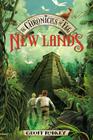
The second in the trilogy, NEW LANDS (May 2013), has already been released.

Sporty Girl Books blog debuts tomorrow June 1st!

When I saw on Twitter that my friends Kris Asselin and Stacy Mozer were starting  Sporty Girl Books group blog:

“…devoted to girls (and the people who love them) who love reading, writing, talking, watching, and playing sports.

I said sign me up! Well, no. That’s not what I said at all. I said, “I’d love to do a guest post every once in a while.” But if you know me, and many of you do, you know that I have problems with one word. “No.” So when they said, do you want to join the group, you’ll only have to post once-a-month. I said, “Sure!”

You know what? I am not sorry at all. Kris and Stacy also recruited Robin Hall another up and coming writer, yoga instructor, rock climber and all around athlete, and I’ve had a blast getting to know her. Over the last weeks we’ve hammered out a new logo (see below), content ideas and blogging schedule (we’ll each post once-a-month).

At SPORTY GIRL, we want to give all girls the chance to love, watch, play, read, and write about the sports they love. We look forward to the day when the words, “You play like a girl,” is the best compliment anyone can receive.

The blog debuts tomorrow, June 1st and you can expect interviews with authors, profiles of girl athletes, book reviews, essays, current event tie-ins, and (drum roll please) GIVEAWAYS! In fact, to start things off we’ll have a rafflecopter giveaway of some of our favorite and new sporty girl books. The contest will run through the month. What do you have to do? Follow the Sporty Girl Books blog and our Twitter feed @SportyGirlBooks. For extra points you can follow our personal blogs and Twitter feed as well.

SportyGirlBooks 2

Most important we need you to spread the word to all the sporty girls in your life. We’d love for the girls to be involved in the blog. In the “Your Stories” section of the blog, girls can write about their own athletic stories, good or bad. (All stories will be reviewed before publication.)

So come visit us, enter the giveaway, and spread the word!

Dream Big


Shop Indie Bookstores

“[E]xperience has taught me that you cannot value dreams according to the odds of their coming true. Their real value is in stirring within us the will to aspire. That will, wherever it finally leads, does at least move you forward. And after a time you may recognize that the proper measure of success is not how much you’ve closed the distance to some far-off goal but the quality of what you’ve done today.”

Sonia Sotomayor, MY BELOVED WORLD (Knopf, 2013).

Vacation Post

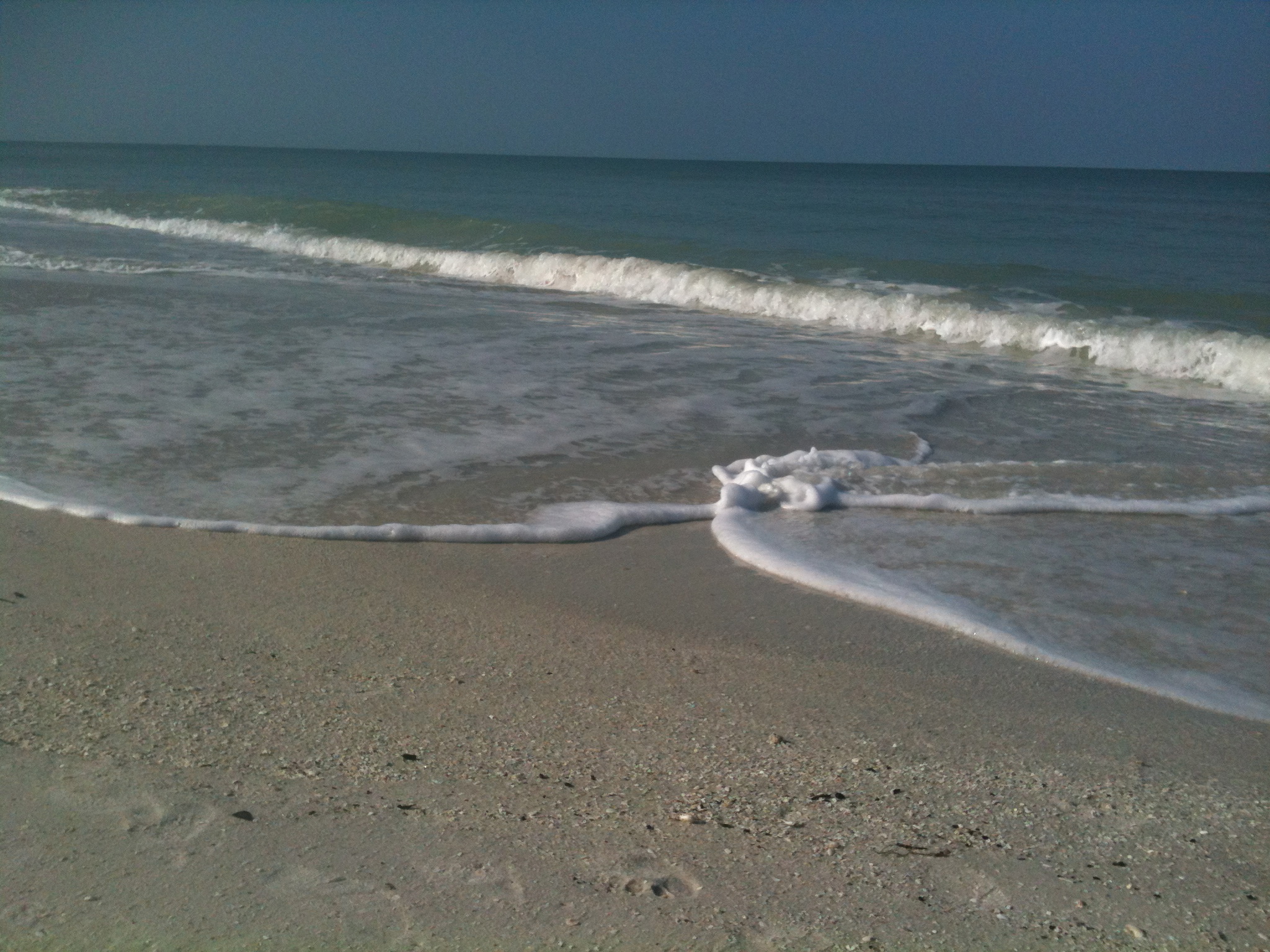
I’ve been on the Gulf Coast of Florida for almost a week now. The kids have done a lot of fishing with Grandpa in the back coves and mangroves. I’ve been for a few long walks and yoga classes (shout out to the fabulous yogis at Joyful Yoga in Estero!). We’ve all luxuriated in a hot tub. Nothing to complain about at all – except… it has been awfully humid here. When we woke this morning, I walked out onto our sea view balcony (bliss) and there were huge puddles in the parking lot. Whatever rain fell, it was big enough to push out the humid air and leave dry cool breezes behind. The sky looked as if someone had sprayed it with Windex and polished it until it sparkled blue. The sea, which had been rolling and choppy was calm with gentle waves lapping at the sand.

IMG_1434

What am I watching on vacation?

  • The Dark Knight Rises
  • Frankenweenie
  • Aloha Fluffy

What am I reading on vacation?

  • BALL DON’T LIE, Matt de la Peña. Absolutely fabulous. Don’t miss it.
  • I’m rereading Lisa Jahn-Clough’s upcoming release NOTHING BUT BLUE. (I’m writing the discussion questions for it and I’m more in love with the main character the second time around.)
  • Next up, WHERE’D YOU GO, BERNADETTE. Hilarious trailer for the book here:


New Teacher/Reader Guide Service AND GIVEAWAY!

You’ve seen them before, the questions that show up at the back of a great novel and give you more insight into the author, the subject, or the craft of the book. The extension activities that teachers use to help plan lessons or meet COMMON CORE standards. Who writes these guides? I do, and I’d love it if you’d spread the word.

First, take a look at the new “Teacher & Reader Guides” page on Creative Chaos.

Next, click on the link below to enter the giveaway. Help me spread the word by commenting below, following me on twitter, tweeting about the giveaway, and following my blog. Each activity increases your chances of winning a free ($500 value) “Silver” level guide for your book. The prize is transferable to a writer/illustrator friend if you haven’t written or illustrated a book recently.

New England is expecting a big storm this weekend. Plenty of time to enter the raffle!

CLICK BELOW!
A Rafflecopter giveaway

YOU JUST MISSED IT.
Same Rafflecopter giveaway

DID YOU CLICK?
Still a Rafflecopter giveaway

YOU CLICKED : ) THANK YOU FOR SPREADING THE WORD!

SSR. A philosophical discussion.

For the uninitiated – those of you who do not teach, or do not have kids in school– SSR stands for Silent Sustained Reading. During a period of 20-30 minutes, everyone in the whole school is supposed to stop everything to read.

My children have always loved to read. They have been known to hole up in their rooms when a favorite book is newly launched and only take water and crackers for sustenance. You can imagine my surprise then when Son #1 told me they “HAD” to do SSR and that he thought it stood for “Sit down, Shut up, and Read.” Oh my heart! In my own independent school classroom, SSR meant kids on bean bags, and under tables devouring books. Quiet conversations about the newest from a certain author, a plot twist they didn’t expect. It was a bibliophile’s bliss.

That’s not what it was for Son #1. In the time of accountability and “no test child left behind,” there are reading logs, and page goals, and write ups, and book talks that he has to conduct with me (which are wonderful) but then he has to write out the book talk. He hated the paperwork. He didn’t turn it in. He didn’t meet expectations. He didn’t get on the honor roll even though he had all A’s in other classes. That’s fine. It’s a natural consequence and I respect that.

However, I still have issues with SSR. Here was my note to the teacher and principal today.

Just a quick philosophical detour. I think it is wonderful that [the junior high] makes student choice reading and adult read alouds a priority in the day. I also believe that the need to assess, log, and write up book talks defeats the essential reason for SSR. To me, SSR is a chance for children to take joy in reading and to see reading modeled and loved by adults. What if the adult leading SSR did a weekly sweep of the class, moving from student to student with a clipboard, asking kids some of the questions on the “book talk” list and for 3 minutes listened to the student talk about the book they are reading? The teacher would know if they are reading narrowly in a genre, rereading (which is to be encouraged to a point), and if they are completing books or not. These mini-meetings challenge students to think deeply and make connections with the text. The adult would connect with the student and gain an intimate understanding of the student’s comprehension strengths/weaknesses. These mini-meetings would also allow the teacher to hear a student’s excitement/boredom and offer other book suggestions. What if the student gave one or two quick book talks during SSR, during the semester, so their classmates could learn about other great books that were out there? I think this would do more to encourage joyful reading than all the page counting, logs, lists, and write ups in the world. They have to do plenty of that stuff in their other classes.

Thoughts?