We Shall Overcome: With the help of great books and movies that help us remember history

Last night I saw Lee Daniel’s The Butler and it was a privilege.

The story takes on a sweeping scope of civil rights history from the point of view of Cecil Gaines, a White House butler, from his cotton field origins in 1926 to the present day. You can see the timeline here. The film is an amazing juxtaposition of Cecil’s life and the life of his son Louis. Louis, leaves for college and joins the Freedom Riders. He sits at the all white counters of Woolworths.

Teachers interested in this time period should look at Andrea Davis Pinkney’s, SIT IN.

Louis’s activism lands him in prison with Dr. King, and leads him to the Black Panthers.

Martin Luther King, Jr.’s Letter from Birmingham Jail is available in book form and on the internet.
Do not miss Rita Williams-Garcia’s, ONE CRAZY SUMMER.

The whole time, his father is serving white presidents and their guests, excelling at a profession that requires him to be invisible. The fabulous editing of this film allows the viewer to see the “subversive, not subservient” (a line from Dr. King in the movie) contribution of the butler on the path to equality. While many in the African-American movie have been concerned about the constant characterization of Blacks as maids and butlers, I found the back and forth between Cecil and his son balancing.

Kadir Nelson’s fabulous illustrations are always awe inspiring.

Shop Indie Bookstores

The timing of the film release, so close to the 50th Anniversary of The March on Washington, could not have been accidental, and while I wish that my 12 and 14 year olds had been in the theater with me (They wanted to see Percy Jackson Sea of Monsters and came out hating it. “Nothing like the book.”) I’m even more pleased to see that THE WATSON’S GO TO BIRMINGHAM has been made into a Hallmark movie to air on September 20th.


Shop Indie Bookstores

Mr. Sharp and Mr. Schu have an amazing post and giveaway at Watch. Connect. Read. about the movie. They post a link to teacher resources and a great collection of video interviews with Christopher Paul Curtis, the cast, and other folks involved in the making of the movie. I hope you’ll check it out. The most moving moment in the trailer is this quote from Bryce Clyde Jenkins, the young actor who plays Kenny Watson.

“The thing that I like most about this story is that it’s a real historical event. This allows people to get a perspective of what people went through so people like me could be where they are now. It’s a really life changing lesson. It makes you feel grateful for what you have.”

Go see Lee Daniel’s The Butler. Then, on Friday, September 20th is a Friday make a date with your children, or have a house party and invite the neighborhood to see and discuss The Watson’s Go to Birmingham. You won’t be sorry.

Five Reasons You Should Hire Me to Write the Curriculum Guide for Your New Book!

Many teachers are meeting this week to put last minute touches on their fall curriculum. Some will use the same novels and picture books they’ve used in the past, but some will be on the lookout for new books that will excite their students, shake up their usual plans, and meet Common Core requirements. While teachers enjoy creating their own curriculum, various meetings, new requirements, and weeks of standardized testing often send them looking for prepared activities. When you provide teachers with a Teacher/Reader Guide, they are more likely to buy a class or reading group set of your book to go with it.

Here are five reasons you should hire me to write the curriculum guide for your children’s or young adult book.

  1. I see curriculum creation from both sides of the equation. I have an Masters in Education with a concentration in Teaching and Learning and over twelve years of classroom experience. I have an MFA from Vermont College of Fine Arts where I focussed on Writing for Children and Young Adults. My novels are under representation and my poetry has been published by national magazines.
  2. I listen well and love collaboration. If you already have a vision for your guide, I’ll listen and give you my honest feedback on how your ideas will work in the classroom. I am an idea person. If you’re not sure what should go into the guide, don’t worry. I love collaboration and will work with you to brainstorm the best guide possible.
  3. I use InDesign, the design industry standard, to create unique, clean, and artistic designs for your guide. With the cooperation of your publisher, I can include design elements and illustrations from your book to create a final document that is consistent for marketing purposes. The final document comes to you as a PDF that anyone can access from a website, that you can send in an email, or that you can print to give away at book signings and class/library visits.
  4. I am a critical reader. One of the most interesting comments I’ve had from clients is that I saw their book as a reader and that they were surprised and excited by the questions I developed. I bring a perspective and distance that is difficult to find for those who’ve been involved in the creation of the book . 
  5. I am experienced. You’ll find testimonials from past clients on my Creative Curriculum page at this website. I’m happy to give you reference contacts as well. Click on the PDF links to see some of the guides I’ve already created. You’ll find my fees & services PDF as well. 

I want to create a guide that gets your book in front of students. Please contact me at annajboll [at] gmail [dot] com. I’d love to speak with you!

Three Links to Great Web Content: August 4-10, 2013

When I was about eight years old, I used to sit on the landing and listen to the adult conversations that went on at dinner parties my parents would hold. I’m sure my parents thought I was asleep, and sometimes I would indeed fall asleep on the landing and they’d have to carry me to bed. The point is, that I didn’t want to miss anything. Sometimes Twitter and social media reminds me of this. With the incessant stream of tweets and updates I’m bound to miss out on something crucial.

The fact is, there is so much information out on the web that you can’t, and shouldn’t, try to keep up with it. I thought I’d post a few great links from my week and would love to see your favorite links, and a few sentences about them, in the comments.

First off, Ingrid Sundberg. Ingrid Sundberg is a fellow VCFA alum. She recently posted a fabulous series taken from her thesis on story architecture. If you only saw bits, or missed the whole thing, bookmark this page which includes the links for the entire series. Organic Architecture: Links to the Whole Series

If you are a parent or an educator, and haven’t found PragmaticMom.com, you should take a look. In addition to crafts, education, and parenting tips, she is an avid children’s lit reader with wonderful book lists. Her Multicultural Books for Children: 40+ Book Lists are an amazing collection of books broken into various helpful categories.

Lee Wind and the amazing SCBWI blog team were super busy last weekend at the LA Conference. Sadly, I wasn’t able to attend this year (I’m planning to go in 2014), but I was able to get the juicy tidbits on the Official SCBWI Conference Blog. If you are searching for an agent, you may want to read the many agent profiles. Illustrators will want to check out the winning portfolio images, and writers will be inspired by the encapsulated keynote speeches.

Again, I’d love to see your favorite links of the week– interesting industry news, and craft discussions that you retweeted, reblogged, tumbled or pinned that my readers might have missed. I’ll be watching the comments. 

More photos: The Lobster Ride!


On Sunday last… I rode in the Maine Bike Coalition Lobster Ride. The event allows riders to choose their poison: 15, 30, 50, or 100 miles. (I’m up to 30 although my husband would have much preferred 50 or 100.)  The entry fees go to help lobby for improved bike infrastructure in Maine, and to build a positive relationship between bikers and car drivers. You might be surprised by how anti-bike some people can be.

IMG_1646

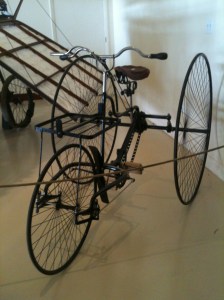
I did not ride this.

IMG_1651


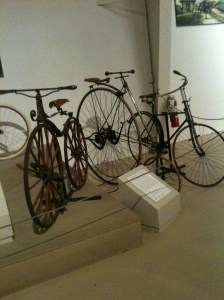
Or any of these wonderful vintage bikes from the Owl’s Head Transportation Museum.

photo (14)

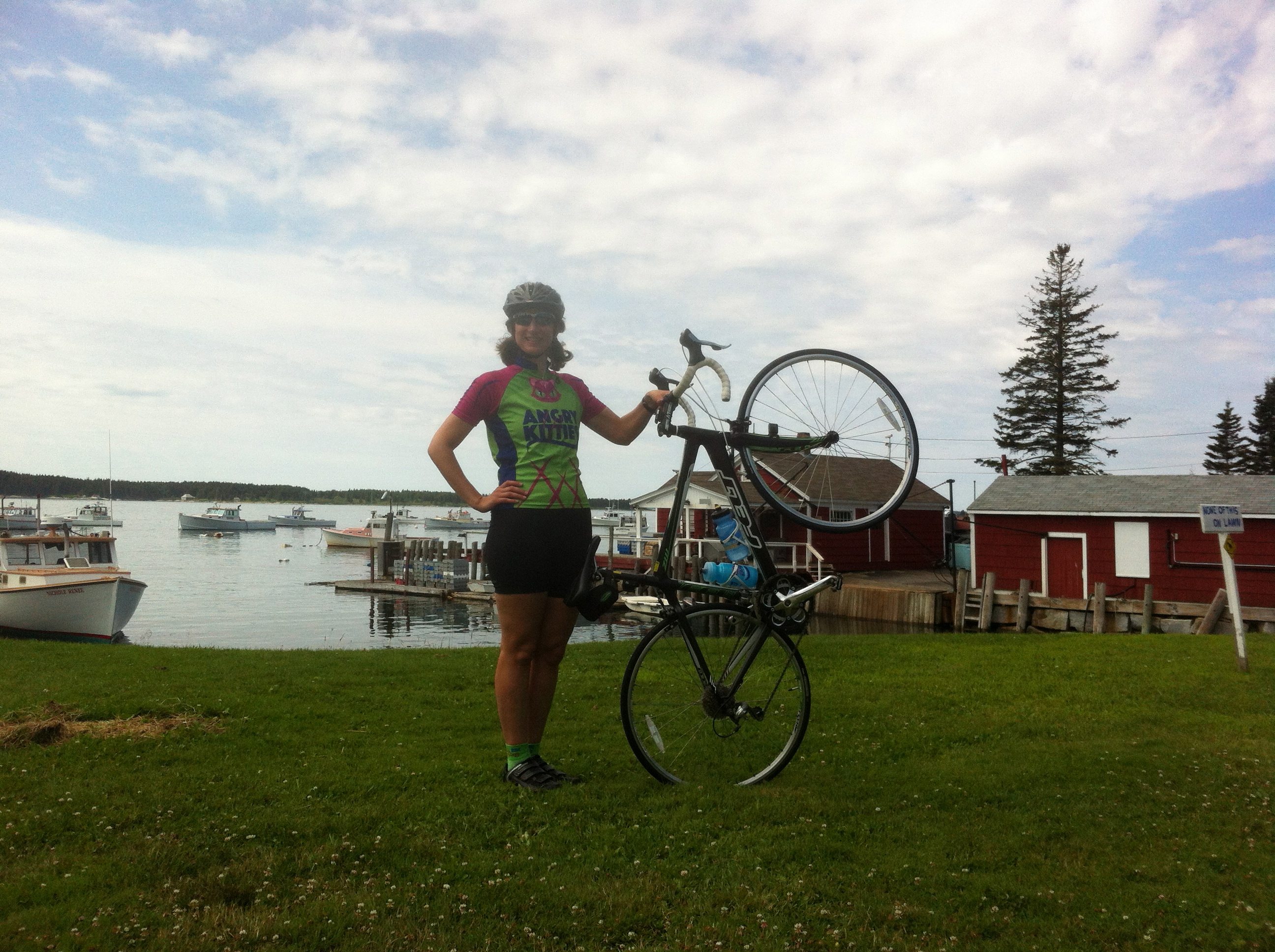
Here’s me with my modern, light weight carbon fiber FELT bike.

IMG_1645


Which rides like a dream so that I could ham it up with the Lobster Queen at the end of  30 miles!

The Photo Journalism Continues- Monhegan Island

Yesterday, I posted some pictures of my journey to NYC in hopes that I’d make up for the huge lag in written posts that I’ve made this summer. Today, I’m taking you on a virtual tour of Monhegan Island and Midcoast Maine.

I bid on the ferry ride and stay at the “Trailing Yew” inn through the Maine Women’s Lobby auction. MWL is doing amazing things to support women and families in Maine and I thank them!

photo (16)

First stop: Mt. Batte in Camden. Think… Down to the Sea With Mr. McGee.


Shop Indie Bookstores

photo (17)

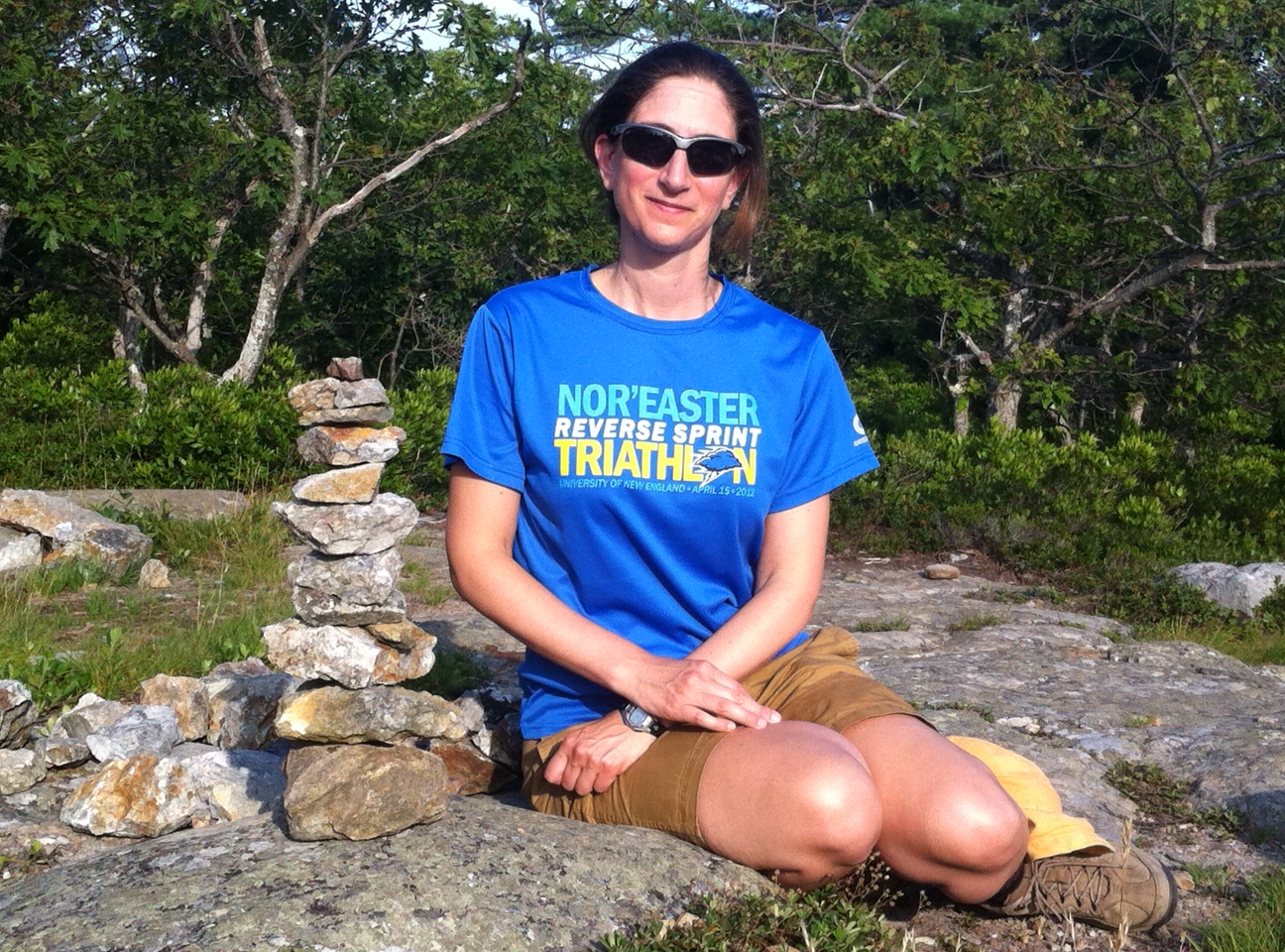
My cairn from the rocky mountain top at the end of a lovely hike. My husband and I were pleased to find wild blueberries nestled amongst the rocks and nibbled just like SAl. Or were they tremendous mouthfuls like Little Bear?!?


Shop Indie Bookstores

IMG_1636

In Rockland… a fabulous dinner at FOG Bar and Cafe. BBQ Tofu topped with tempura pickle strips on a bed of cilantro pesto cauliflower.

IMG_1639

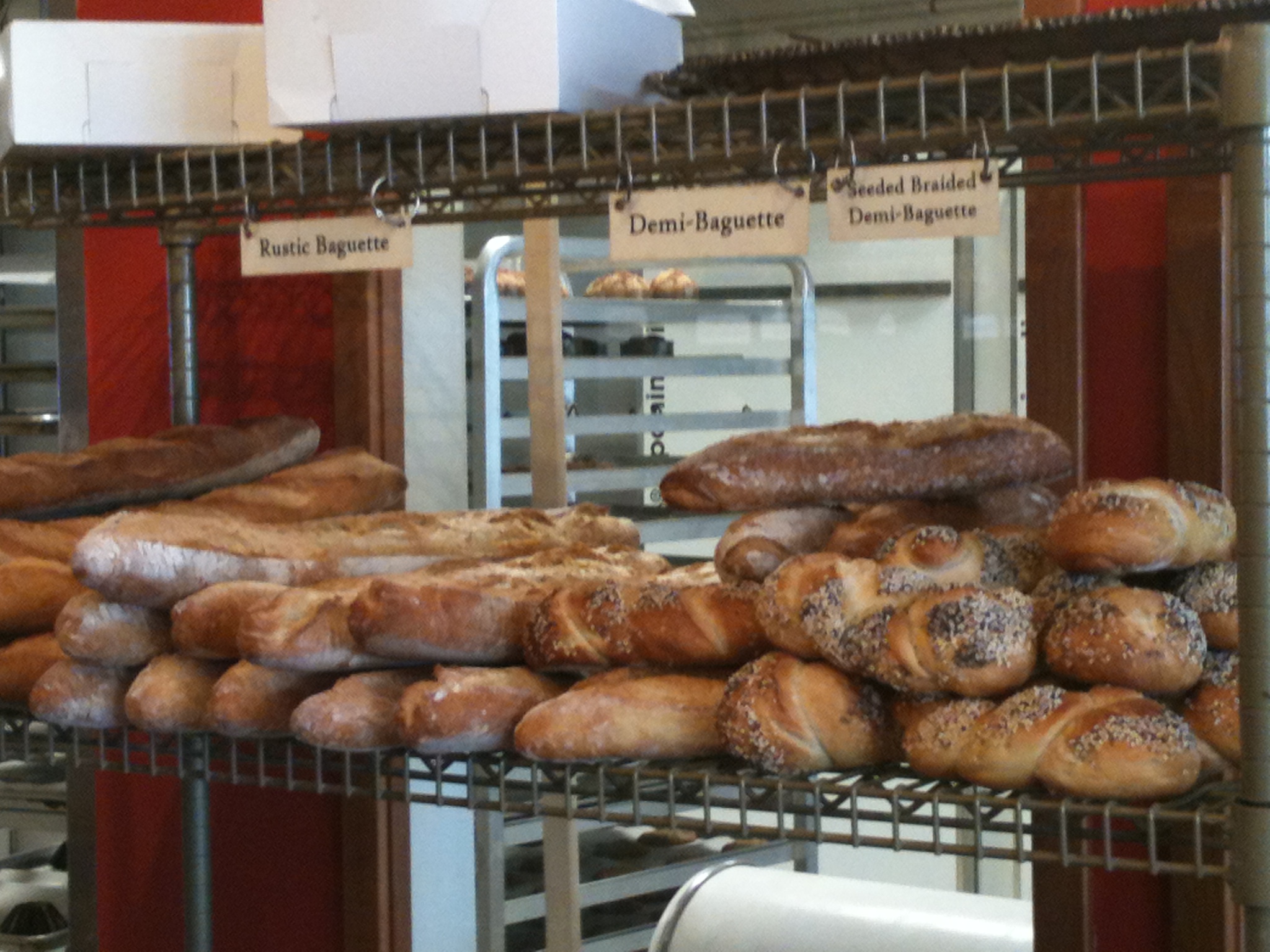
Followed by breakfast at the Atlantic Baking Company…

IMG_1637 IMG_1638

YUM!!!

photo (19)

On the ferry to Monhegan from Port Clyde.

photo (20)

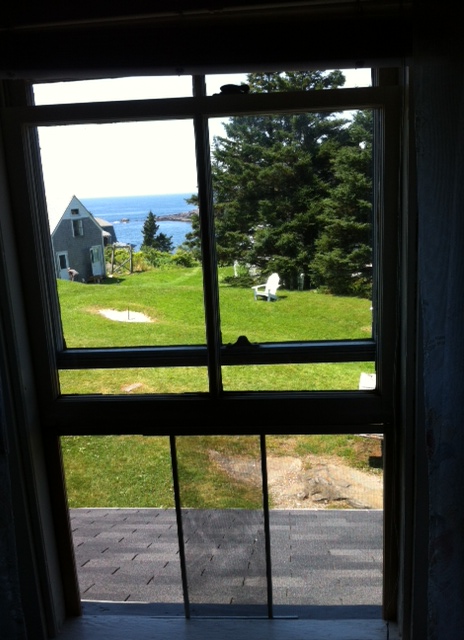
The view from our room at The Trailing Yew. Fabulous food, a great group of artist visitors, and oil lamps. So fun!

photo (24)

The island was all abloom with flowers– the air full of sea roses and balsam scent. These climbing roses caught my eye.

photo (22)

Me on “Pebble Beach.” The “pebbles” were more like boulders or as we said, dinosaur eggs.

photo (23)

So majestic and magical! We hiked the trails all around the island and let me tell you… it was some strenuous hiking.

photo (21)

A wonderful sunset on a VERY hot day. Good-by Monhegan. We’ll be back!

Summer Blog-lag and A photographic apology

It has been a busy summer of trips both expected and unexpected. My constant travels have taken me away from social media which is a mixed blessing. On one hand, it feels great to be unplugged and to have relief from the constant stream of information. I’ve made some progress on my WIP, caught up on some reading, and had some wonderful family time.

On the other hand, I feel guilty not to be contributing to said constant stream. “My blog readers will go elsewhere for pithy observations, book reviews, and industry buzz.” C’est la vie. 

If you need time-wasting excuses, I’ll be posting pictures from my recent adventures over the next few days. Enjoy! Then go read, write, draw, and enjoy the summer outside unplugged.

Trip One: To NYC

I went to NYC to be with my brother who has been quite ill. Happily, he is making steady if slow progress towards healing. I did take one morning to visit THE A,B,C’S OF IT: WHY CHILDREN’S BOOKS MATTER, a free exhibit at the NY Public Library. If you get a chance, please visit. Fabulous artifacts (primers from the 1600’s) and great history of children’s books and how they’ve changed to meet the educational philosophy of the times.

IMG_1616


Who doesn’t love the iconic NYPublic Library Lions?

IMG_1617


IMG_1632


So happy to see my friend Michelle Knudsen’s  fabulous book, Library Lion, in the display case!

IMG_1630

IMG_1628

IMG_1629


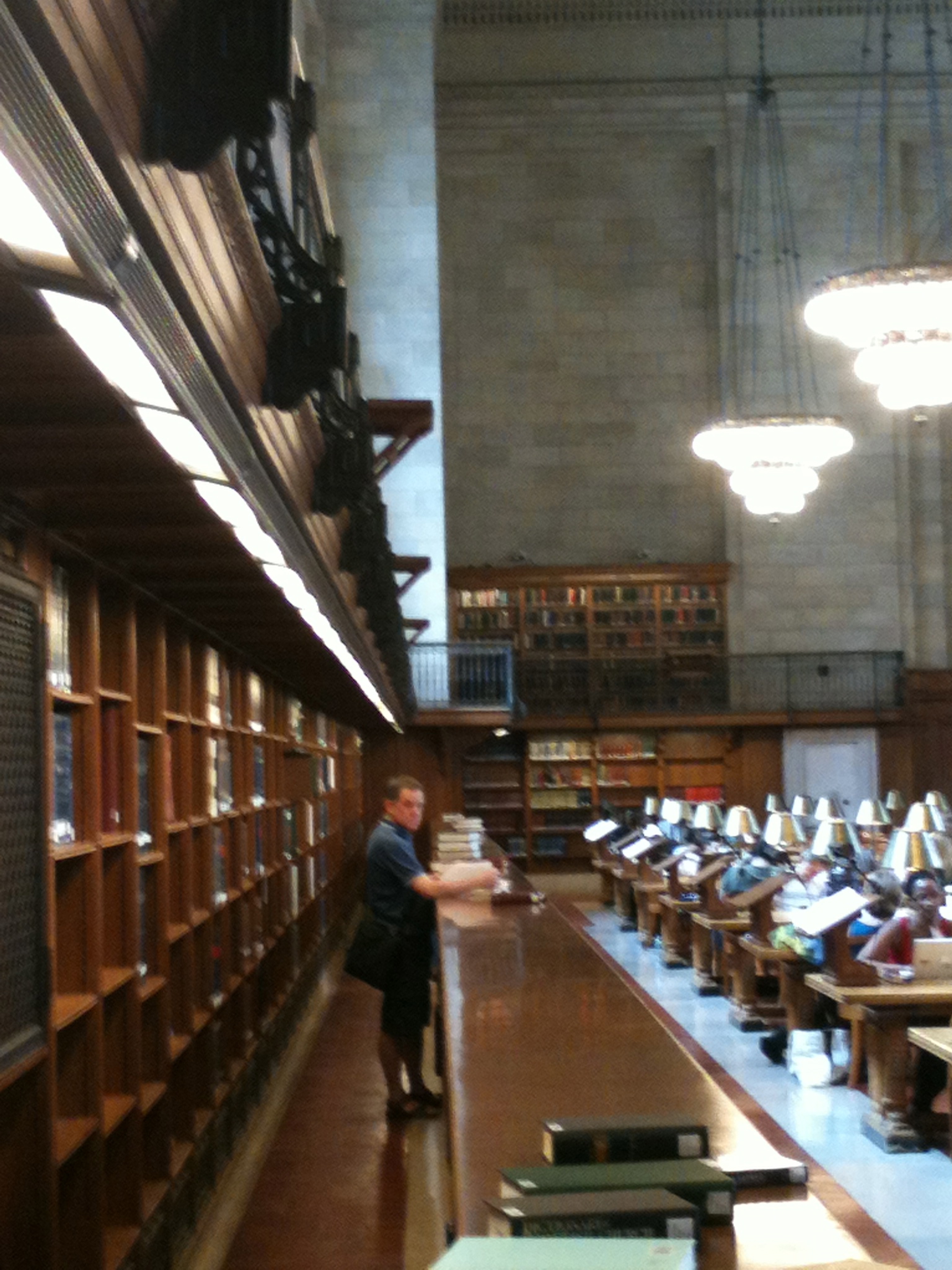
New Yorkers! You are so lucky to have this amazing temple to the book!

IMG_1621

Winnie-the-Pooh and friends took a journey from their usual spot in the children’s room to be in the A, B, C’s exhibit!

IMG_1627


The wonderful Wanda Gag. (Rhymes with fog.) I’d never seen her picture and was struck with the thought that perhaps Kirsten Cappy of Curious City Books is Wanda Gag reincarnated.

IMG_1620


Original sketches for Alice in Wonderland!

IMG_1618


Striking fold-out book about the tsunami in Southeast Asia.

IMG_1626

IMG_1625


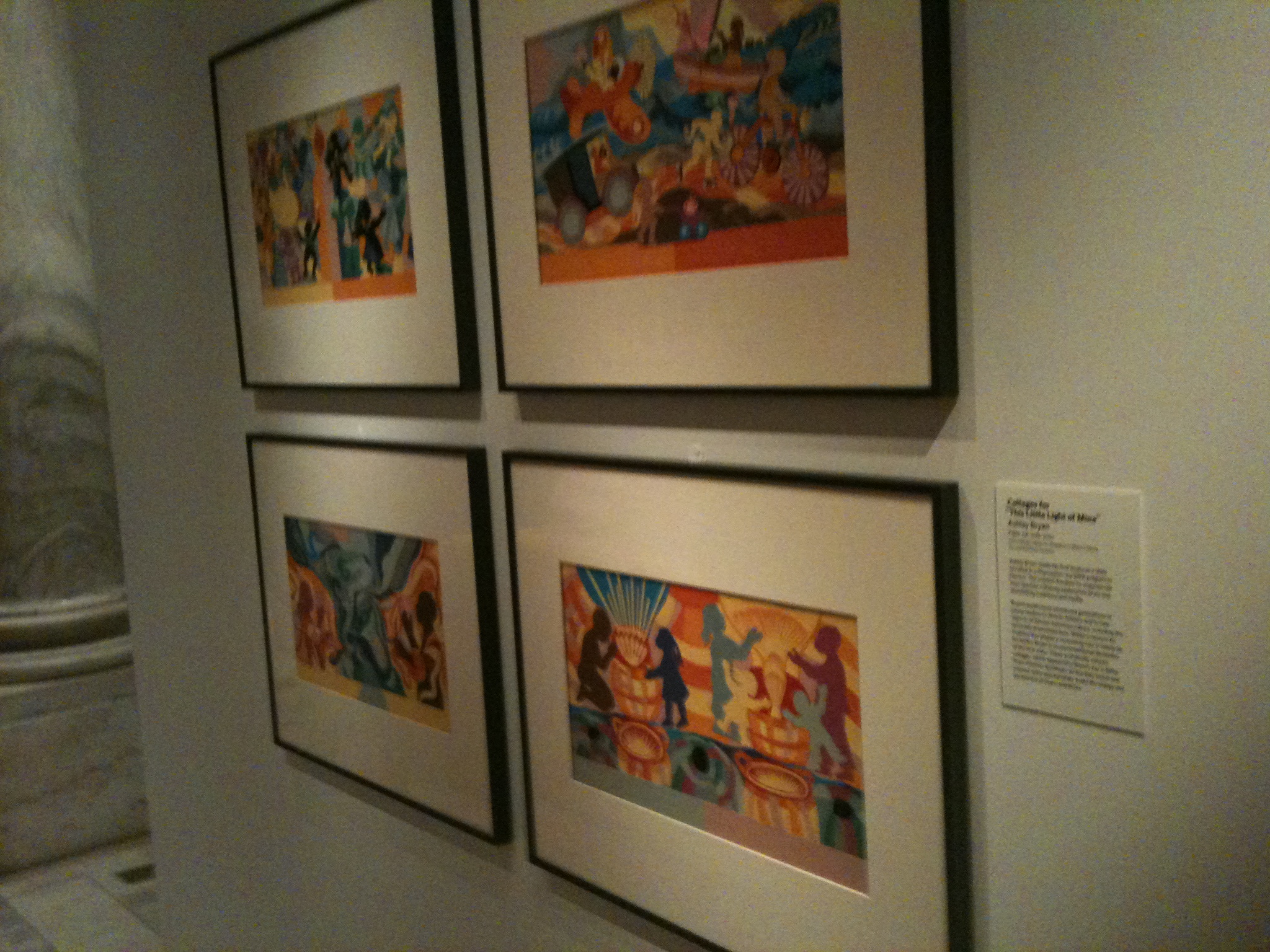
Original artwork of Mainer, Ashley Bryan. See video below for more….

IMG_1622

This is a carefully constructed column created from banned books.

IMG_1624


A closer look at a tiny section of the stack.

IMG_1623

The plaque underneath the column.

IMG_1633


Good-bye lions… good-bye library!

Tomorrow, midcoast Maine and Monhegan Island.


Ashley Bryan video:

http://bcove.me/wp0voofk

Big Announcement!

I promised you all that I’d post an announcement yesterday and even though it was the longest day of the year (Happy Summer Solstice), I didn’t post. Perhaps you are reading this on your tablet next to some pool, or you’ve just dropped off some child at camp and you’ve decided to check your email… whatever the situation, please forgive me and thank you for coming back during your weekend.

I’m so proud to announce that I’ve signed with Alexandra Penfold of Upstart Crow Literary. I love this explanation of the agency name Upstart Crow from their website:

To begin with, it is an insult slung at the young Shakespeare in 1592 by older, more-established, but less successful playwright Robert Greene. His obvious irritation at the younger artist’s pluck and nerve is, we think, typical of the response of the old guard toward any new talent. There is something in the phrase that speaks of courage and brio and daring, and we feel we should all be upstart crows when it comes to our writing and our work.

I wish I could say that I was a young artist, but my journey has been too long to claim that. (Ten years? Thirteen?) What is courageous, however, is to persevere despite the obstacles, and daring to dive into craft and care more about the journey than the outcome. I had finally gotten to that point. I had finally reignited my love of writing for writing sake. I had decided to open up my schedule and say to the universe (often aloud into the trees around my home) writing is my priority. That was when good things started to happen. First, the PEN New England Susan P. Bloom Children’s Book Discovery Award and now representation by Upstart Crow.

Of course this is just another step in my writing journey, but I couldn’t be more pleased than to have the smart, savvy, connected, experienced, communicative, compassionate Alexandra Penfold on the journey with me.

Melanie Crowder, PARCHED Visits Creative Chaos!

Today I am thrilled to have my dear friend and VCFA roommate, Melanie Crowder, here at Creative Chaos to celebrate the launch of her debut middle grade novel, PARCHED!


Shop Indie Bookstores

Link to the first few chapters of the book!

When I was 17 I took a “gap” year and worked for an organization called American Rivers. American Rivers works to preserve 1% of America’s rivers as free flowing, not dammed or channeled, using the Wild and Scenic Rivers Act. During my time at the organization, I learned that water for Denver, Colorado came from dammed rivers far away. I was an East coast girl. I had no ideas that there was any problem getting water. Step one. Turn on tap. Step two. Drink, water garden, wash car, etc. Turns out that my experience was not universal. (Figuring this out is part of growing up, right?)

Millions of people lack safe water right now.

Some people see water as a human right and others see water as a commodity. Still lack of clean water affects humans no matter their socio economic level. It is essential. So, I’ve asked Melanie to take a break from talking specifically about her book. You can find SO much more about her book and her experience as an author at other stops on her fabulous blog tour.

Today, we are going to talk about H2O.

Melanie, thank you so much for being here!

Thank you, Anna!

Living with you was such an education. You live right here in the good old US of A, on Colorado’s Front Range and in Colorado, and EVERYONE is concerned about water. What water limitations do you experience living in Denver?

I grew up in Oregon, where between lakes and rivers and the mighty Pacific, there is no shortage of water to dip your feet or your whole body into. When I moved to Colorado over ten years ago, it was the strangest thing—on a summer day nearing 100˚, I couldn’t find a single place to cool off in the water. The creeks were too shallow for swimming, the rivers in town were too polluted (here is an article on the Platte River’s sordid history), and to my amazement, many of the reservoirs were fenced off specifically to keep people out. Sure, I had read Cadillac Desert in college, but now I was living in it, and for a west coast girl with no place nearby to swim that wasn’t a concrete box filled with chlorine, I may as well have been in the middle of the apocalypse!

How is water rationed in drought conditions?

Water isn’t rationed here, so much as divvied up. I can run the water inside my house all day if I want, because I have paid for it. But it is illegal for me to collect water from my roof and use it to water my tomato plants. That water belongs to someone who has a deed for the creek at the end of my street. Colorado water laws date back to pioneer days, when ranchers and farmers diverted rivers into miles of irrigation ditches and dammed reservoirs to keep their crops and herds alive through the scorching summers. Hence, every drop of water that falls from rainclouds or melts from peaks 14,000 feet high is owned by someone.

Unfortunately, old ways die hard. And we’re still making changes in a reactionary way. Rather than enforcing consistent rationing policies, we wait for a severe drought to limit the duration and time of day when people can water their lawns.

Colorado is made up of transplants from all over the country—people who have been drawn here by the mountains and our work hard/play hard way of life. And all of us transplants have to adjust to the fact that it just doesn’t rain here like it does on the coasts where we came from. (And that having a lawn in the high desert is in itself a ridiculous concept!)

What if you just don’t follow the rules?

You can get a ticket, but honestly, I don’t think people are paying much attention to the restrictions. We’re still a long way from where we should be. It’s going to take a big cultural shift for people here to see water as a thing to be preserved, instead of a thing to be used.

but I am beginning to see more xeriscape cropping up, and the laws are very slowly evolving. And I have to hope that discussions like this will raise awareness, sound the alarm, and bring about change. Here is an article that paints a frightening picture for the entire Western US if we don’t begin to take water conservation much more seriously.

Water in a drought-ridden area could be leveraged as power. How is water used to exploit and control in PARCHED?

In PARCHED, to quote Megan Cox Gourdon of the Wall Street Journal, “fresh water is not so much the coin of the realm as the only thing of value.” To give you a little backstory for how PARCHED’s setting came to be so dire, first mining poisoned the aquifer under the city that the people relied on for drinking water, while rising sea levels turned the coastal river brackish and displaced entire communities. Then a drought hit and wells dried up. Chaos resulted. Anyone with the means to flee did, leaving the city to be ravaged by gangs.

These gangs controlled what little water was left. When a society collapses in on itself like this, it is the children who suffer most. That is where PARCHED begins, with two children whose lives have been utterly devastated; two children who must battle their grief, their instinct to distrust, and the elements if they are going to survive.

I’ll point you to another article, this one about water in Yemen. When I was writing PARCHED, at times it was almost as if I flinched while I typed. I knew, because of the research I had done on my book’s setting, that the premise was frighteningly realistic. I didn’t want it to become real. I want us as a global society to pull back from the edge and set a different course before we go sailing over that cliff.
People who are working in water engineering and education suggest a Multi part solution to bring clean water to those who don’t have it that includes technology, education, empowerment, and accountability. What examples of this do you see in Denver?

Technology: Just this spring, the Colorado legislature passed a greywater bill that is a big step in the right direction. Put simply, greywater is the process by which water at a facility is used more than once before it is sent to the treatment plant. For example, the water that goes back down the drain at a drinking fountain can be used a second time to water the trees at a park. In a home, rinsewater from a washing machine or shower drain (in which biodegradable products are used) could be diverted for landscape irrigation.

Education: Denver Water has been working to change water consumption habits through advertising campaigns for years. Denver Public Schools has an entire sustainability department.

Empowerment: Citizens are working to keep Hydraulic Fracturing at bay, and municipalities are working to ban the practice within their boundaries. (Read more about the issue here.)

Accountability: This is the big question mark. We have a stubborn streak in the Mountain West. As CO State Senator Chris Romer said, after a failed attempt to pass a rainwater harvesting bill, “Welcome to water politics in Colorado. You don’t touch my gun, you don’t touch my whiskey, and you don’t touch my water.”
What didn’t I ask you that you’d like to say?

Only that lately I hear people referencing “first world problems” and “third world problems” i.e. not being able to find the right shoes to go with that dress versus not having access to indoor plumbing. I don’t love these terms (though I think people use them to remind themselves to be grateful for our quality of life; to not sweat the small stuff). I think these terms are one more way of putting people into “us” and “them” categories. But I’ll use those terms now, because I think they fit the way we think about water.

We think of water as a third world problem. A problem that “they” have, “over there.” But water is everybody’s problem. Sure, there are degrees. Many people in the developing world don’t have access to clean running water, which leads to problems ranging from child mortality to a lack of educational opportunities for girls. However, in this country, where access to running water is taken for granted, the purity of that water absolutely should not be taken for granted. Our way of life is poisoning our fresh water supply—from prescription drugs and pesticides to oil and gas exploration. This is a problem for all of us, in every corner of the globe. It’s a problem that deserves our attention.

Get ready for Melanie Crowder’s visit tomorrow!

Tomorrow!!! I’ll be hosting Melanie Crowder debut author of PARCHED (which just received the silver Parent’s Choice Award), so… all this week I’ve been posting about water.


Shop Indie Bookstores

Water is Life

Want to know more? Visit the UNICEF Clean Water Campaign site.

Read this quick summary of the book and then go HERE to read the first few chapters! Warning: You’ll want to read the whole thing!

Using multiple narrators, Melanie tells the story of two children, Musa and Sarel, who struggle to find water, forge a friendship, and survive in a land stricken by extreme drought. The book is a beautifully written, slim volume. In addition to the themes of friendship and survival, the two children and a pack of dogs, lead by the third narrator a Rhodesian Ridgeback named Nandi, delve into issues of family and loyalty. Did I mention beautifully written and wonderfully paced? Oh yes, and beautifully written. You MUST read this book and give it to teachers and librarians and middle grade students.